Understanding Defiant Behaviour: What Children Are Really Trying to Tell Us
Understanding Defiant Behaviour: What Children Are Really Trying to Tell Us
What does defiant behaviour REALLY mean?
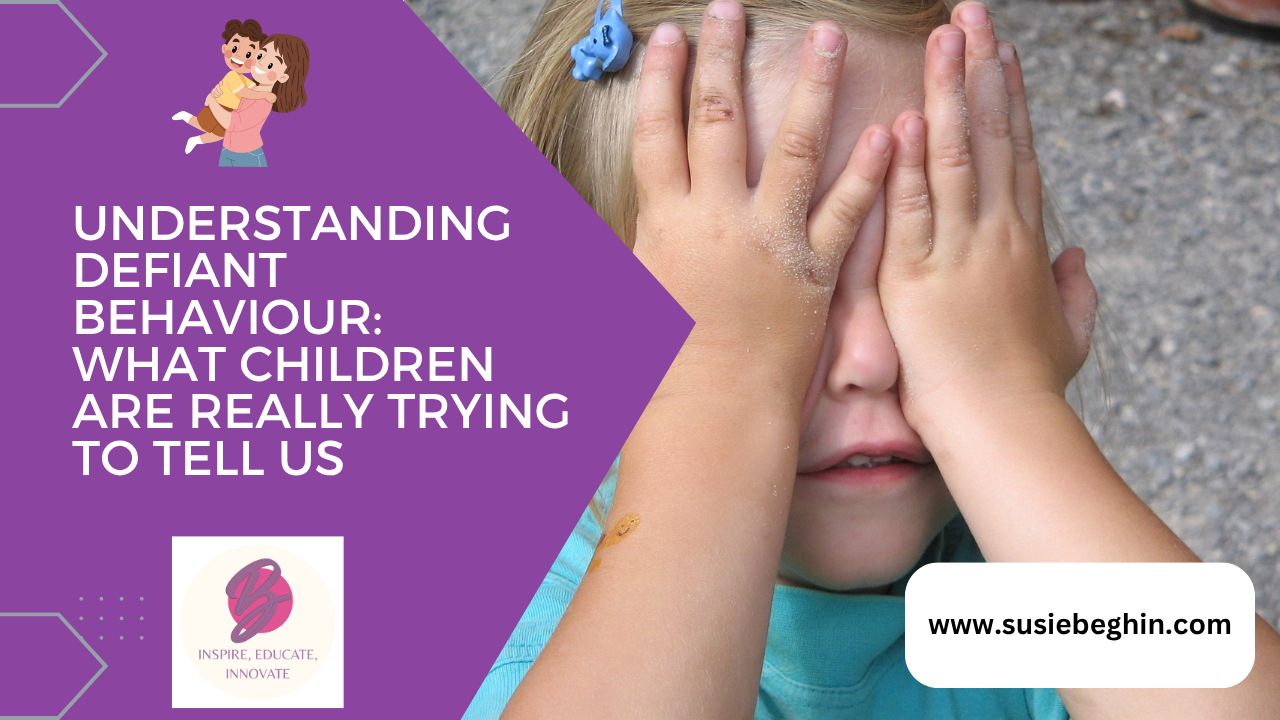
As parents and educators, few things can be more frustrating than when a child refuses to listen, argues, has a meltdown, or seems determined to do the opposite of what we ask. It's easy to label these moments as "defiant behaviour," but what if we looked at them through a different lens?
Recently on The ECE Classroom Podcast, I spoke with Emily Walz, Director of Learning at the Zones of Regulation, about emotional regulation and supporting children's social-emotional development. One of the most powerful takeaways from our conversation was this:

1. Behaviour is communication.
When children struggle with their emotions, they often lack the words, skills, and self-awareness needed to express what they're experiencing. What looks like defiance on the outside may actually be frustration, anxiety, overwhelm, disappointment, fear, or even excitement.

2. Looking Beyond the Behaviour
Imagine a child who is asked to clean up and suddenly refuses, yells, or throws toys. The immediate reaction might be to see the behaviour as disrespectful or oppositional.
But what if we became detectives instead?
Perhaps the child was deeply engaged in their play and wasn't ready to transition. Maybe they are tired, hungry, overwhelmed, or struggling with a lack of control. When we pause and look beneath the behaviour, we often uncover an unmet need or an undeveloped skill.
Children don't wake up each morning planning to be difficult. More often, they are doing the best they can with the emotional tools they currently have.
3. The Importance of Emotional Literacy
Before children can regulate their emotions, they must first learn to recognize and understand them.
Many young children know only a few feeling words such as happy, sad, or mad. Yet emotions are far more complex than that. Children need opportunities to build emotional vocabulary and learn that all feelings are normal and acceptable.
When we help children identify emotions, we give them the language they need to express themselves more effectively.
Instead of:
- "Stop crying."
- "Calm down."
- "You're fine."
We can try:
- "You seem frustrated."
- "I can see you're feeling disappointed."
- "That was really upsetting for you."
Naming emotions helps children feel understood and begins the process of developing self-awareness.
4. All Emotions Are Welcome
One misconception many adults have is that some emotions are "good" and others are "bad."
The truth is that all emotions serve a purpose.
Anger tells us something feels unfair.
Fear helps keep us safe.
Sadness signals loss or disappointment.
Excitement motivates exploration and learning.
The goal is not to eliminate uncomfortable emotions. The goal is to help children learn safe and appropriate ways to experience and express them.
When children understand that their feelings are accepted, they are more likely to develop healthy emotional regulation skills.

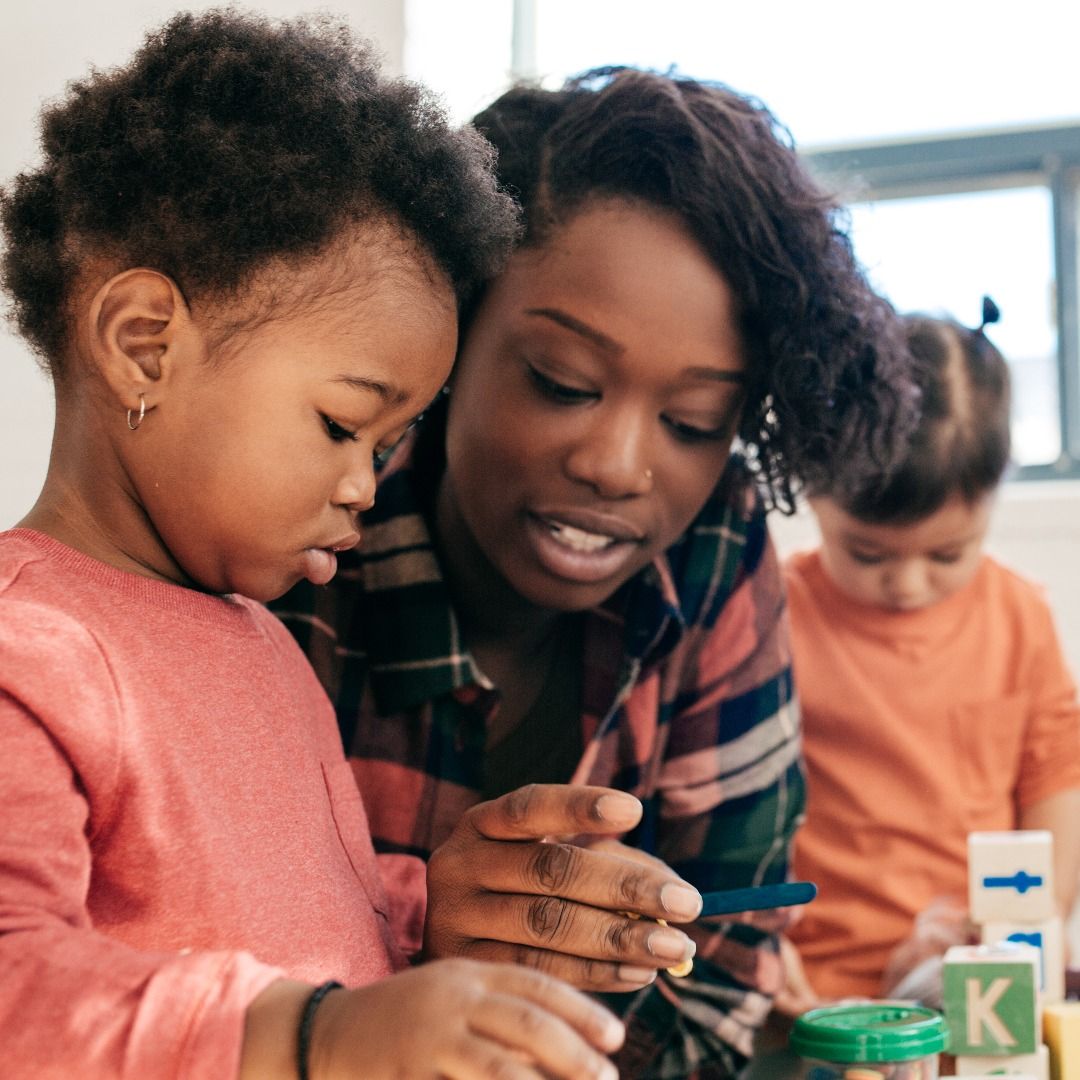
5. The Power of Co-Regulation
One of the most important concepts discussed in our podcast conversation was co-regulation.
Young children cannot always calm themselves down independently. Their brains are still developing the skills needed for self-regulation.
This means they often need a calm, supportive adult to help them navigate big emotions.
When a child is upset, our role is not to immediately correct or punish. Instead, we can:
- Stay calm.
- Offer comfort and reassurance.
- Validate their feelings.
- Help them identify what they are experiencing.
- Guide them toward problem-solving when they are ready.
Over time, children internalize these strategies and begin to use them independently.

6. Supporting Neurodiverse Learners
The Zones of Regulation framework is particularly valuable because it recognizes that every child experiences emotions differently.
Neurodiverse learners may process sensory information, transitions, social interactions, and emotional experiences in unique ways. Rather than expecting every child to respond the same way, the framework encourages adults to understand individual needs and provide personalized support.
This approach fosters inclusion, empathy, and a sense of belonging for all learners.
What Parents Can Do at Home
If you're dealing with challenging behaviour, consider these simple strategies:
Focus on Connection First
Children are more receptive to guidance when they feel safe, connected, and understood.
Talk About Feelings Every Day
Use books, stories, and everyday experiences to build emotional vocabulary.
Model Emotional Regulation
Let children see healthy coping strategies in action. Talk aloud about how you manage your own emotions.
Stay Curious
Ask yourself, "What is this behaviour trying to communicate?" instead of "How do I stop this behaviour?"
Remember That Skills Take Time
Emotional regulation is not something children master overnight. Like learning to read or ride a bike, it develops through practice, support, and repetition.

Final Thoughts
When we shift our perspective from "This child is being defiant" to "This child is struggling with something," everything changes.
Children need adults who can look beyond the behaviour, recognize the emotion underneath, and provide the support needed to build lifelong regulation skills.
By teaching emotional literacy, practicing co-regulation, and creating environments where all feelings are accepted, we help children develop the confidence and resilience they need to thrive.
The next time a child's behaviour challenges you, pause and ask yourself:
What might this child be feeling right now, and how can I help?
That question can transform not only behaviour, but relationships as well.